 Photo: TVB Bad Waltersdorf
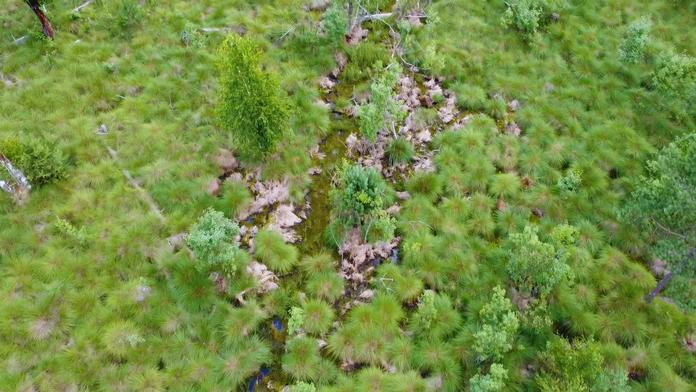
Lichtenwalder Moor
Bad Waltersdorf, Styria
Representing the Botanical Institute of the University of Graz, Dr. Ruth and Dr. Anton Drescher scientifically examined an area of 15,000 - 20,000 m² in Lichtenwald and came to a sensational result. It turned out that in the lowest soil sample at a depth of one meter, in addition to all important forest trees of our region, including those firs that developed as the last forest trees about 6,000 years ago, a grain pollen was also found. From a depth of 70 cm, the first sweet chestnut and walnut pollen were recovered, and from a depth of 60 cm, rye pollen. The finds suggest a deposition during a settlement phase about 2,000 – 2,400 years ago. The forest moor is an invaluable archive for vegetation research for the last 2,500 years. The insights gained are based on the good preservation of the pollen grains, which is due to the fact that no oxygen had access. The location of the moor is amidst the forests between Hohenbrugg and Lichtenwald in the hollow on a ridge crest of that terraced high plateau, which was formed between the Safen and Feistritz valleys by deposits of thick loess layers over the Tertiary sediments at an altitude of approximately 370 meters. Since 2008, the Lichtenwalder Moor has been a nature reserve.
Opening hours & season
- 12.01.2026 – 31.12.2027daily00:01–23:59
Map & directions
Events nearby
Upcoming events within 10 km.



Experiences
Tours & activities in Steiermark
Guided tours, tickets and experiences in Steiermark — bookable via GetYourGuide.